
Professional Hurt, Emotional Intelligence
& Resilience Knowledge Hub
Articles and insights from Dr. Marcus Mottley on professional hurt, emotional intelligence, workplace emotional abuse, toxic leadership, emotional resilience, and recovery for professionals. Professional hurt is the emotional and psychological injury caused by toxic leadership, chronic invalidation, humiliation, betrayal, workplace emotional abuse, and organizational harm.
When Work Hurts
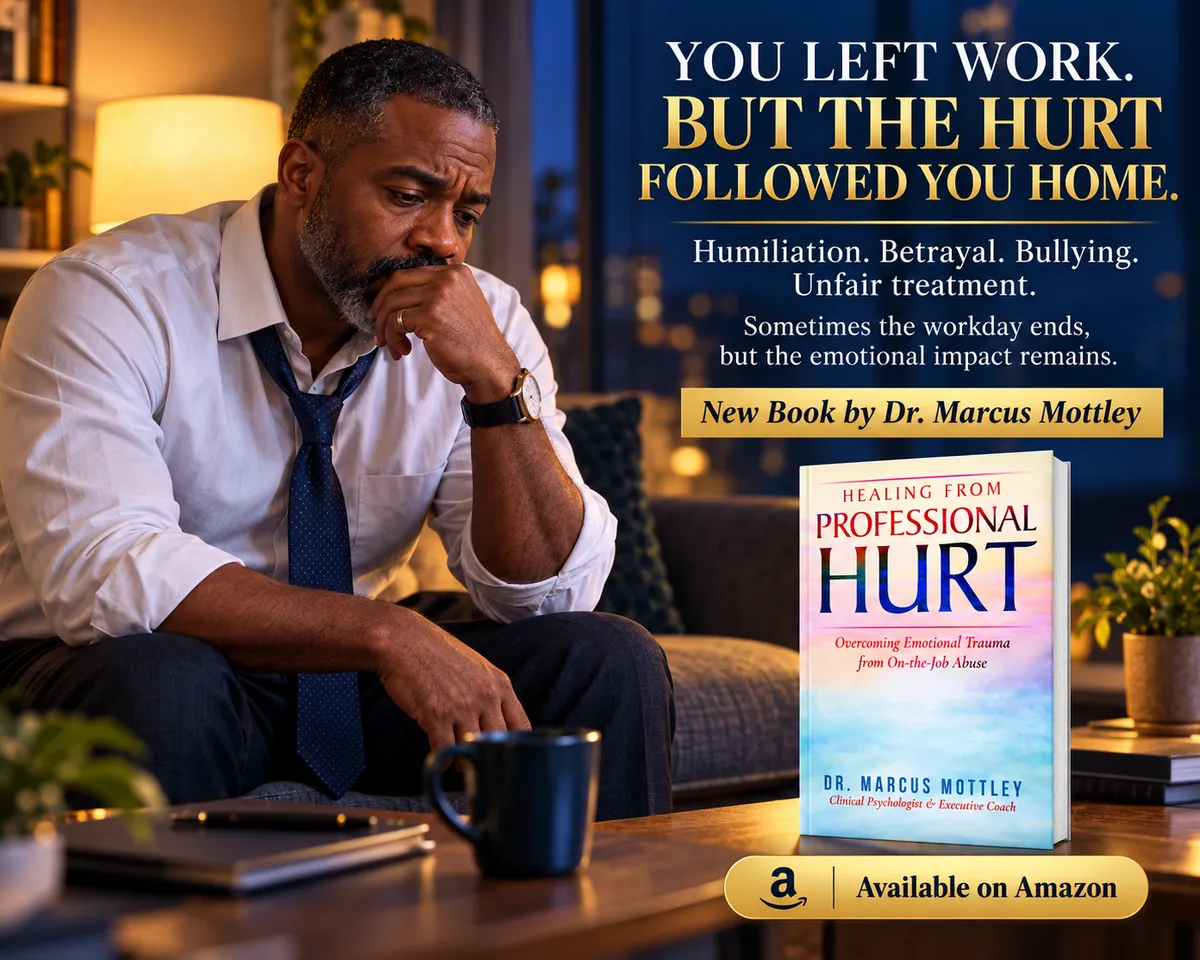
You Left Work. But the Hurt Followed You Home.
Why emotional abuse at work can continue hurting you long after the workday ends.
You closed your computer. Left the office. Drove home.
But something followed you.
The humiliation of being criticized in front of colleagues. The betrayal by someone you trusted. The unfair treatment. The bullying. The constant undermining of your competence and confidence.
And now, hours later, you're still replaying the conversations.
Why did they say that? Why didn't I defend myself? How could they treat me that way?
Your body left the workplace. But emotionally, you're still there.
When Work Becomes an Emotional Injury
As a Clinical Psychologist and Executive Coach, I've worked with professionals who are highly competent, experienced, and successful—yet deeply affected by how they've been treated at work.
Some have endured years of intimidation, manipulation, exclusion, or relentless criticism. Others experienced a single devastating betrayal that changed how they viewed themselves and their careers.
I call this Professional Hurt.
Professional Hurt refers to the emotional and psychological injury that can result from harmful experiences in the workplace, particularly those involving abuse, humiliation, betrayal, bullying, or persistent mistreatment.
And its consequences can extend far beyond the office.
The Hidden Costs of Professional Hurt
The effects are not always immediately obvious.
You may notice that you're becoming more irritable with your family. You have difficulty sleeping. Your confidence has diminished. You begin questioning decisions you once made effortlessly.
Perhaps you dread Monday mornings. Or you're constantly rehearsing what you'll say to your boss, anticipating the next confrontation.
Some professionals begin withdrawing emotionally. Others become hypervigilant, anxious, defensive, or increasingly distrustful.
And sometimes, even after leaving the toxic workplace, these reactions persist.
Changing jobs doesn't automatically erase emotional injuries.
Healing Requires More Than Moving On
Too often, professionals are advised to toughen up, forget what happened, or simply move forward.
But healing is not the same as forgetting.
It involves recognizing the injury, understanding its psychological impact, challenging the damaging beliefs that may have developed, and rebuilding emotional confidence.
It also involves learning to establish healthier boundaries, strengthen emotional competence, and reclaim control over your professional and personal life.
Most importantly, healing means refusing to allow someone else's harmful behavior to determine your future.
A Book for Professionals Who Are Ready to Heal
I wrote Healing from Professional Hurt: Overcoming Emotional Trauma from On-the-Job Abuse to help professionals understand these often-invisible injuries and discover practical pathways toward recovery.
Drawing on my experience as a Clinical Psychologist, Executive Coach, and organizational trainer, I explore how workplace mistreatment affects us—and what we can do to begin healing.
If you've ever carried workplace humiliation, betrayal, or emotional pain home with you, this book was written with you in mind.
You cannot always control how others treat you. But you can begin reclaiming how their behavior affects your life and future.
📘 Get your copy of Healing from Professional Hurt on Amazon
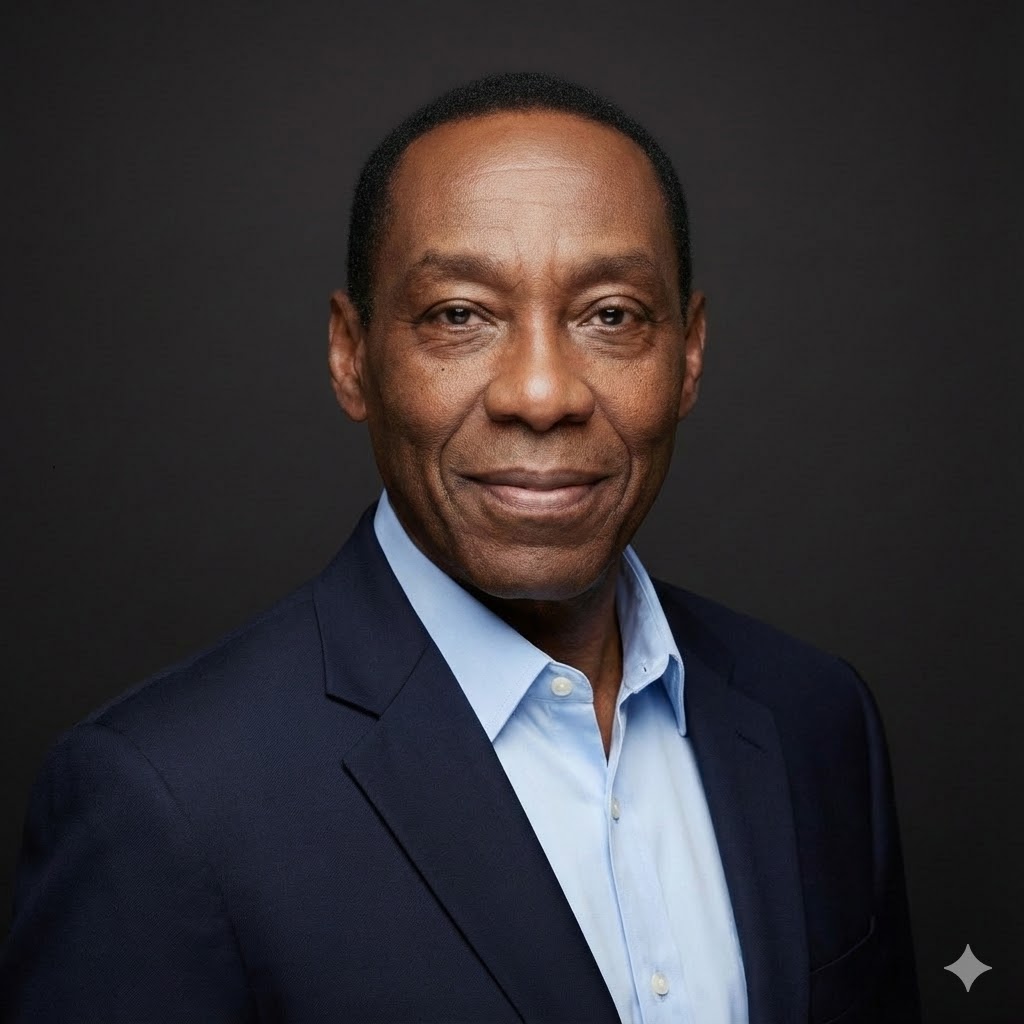
Dr. Marcus Mottley is a Clinical Psychologist, Executive Coach, author, and organizational trainer specializing in emotional intelligence, emotional competence, leadership, and workplace psychological well-being.
FAQ
Frequently Asked Questions About Professional Hurt, Emotional Intelligence, and Emotional Resilience.
1. What is Professional Hurt?
Professional Hurt is the emotional, psychological, and often career-related injury that can occur when professionals experience toxic leadership, workplace emotional abuse, chronic invalidation, humiliation, betrayal, intimidation, exclusion, or organizational harm. Unlike ordinary workplace stress, Professional Hurt can continue affecting a person’s confidence, identity, motivation, relationships, and emotional well-being long after the original experience has ended.
2. How is Professional Hurt different from burnout?
Burnout usually comes from chronic stress, overwork, emotional exhaustion, and prolonged demands. Professional Hurt goes deeper. It often involves emotional injury caused by toxic relationships, betrayal, humiliation, bullying, invalidation, or abusive leadership. A burned-out professional may feel depleted. A professionally hurt person may feel wounded, betrayed, diminished, and unsure of themselves.
3. Can toxic leadership cause Professional Hurt?
Yes. Toxic leadership can cause Professional Hurt when leaders use intimidation, public criticism, manipulation, favoritism, emotional invalidation, threats, exclusion, or control tactics instead of emotionally intelligent leadership. Over time, these behaviors can damage trust, confidence, motivation, and psychological safety.
4. Can Professional Hurt affect emotional health?
Yes. Professional Hurt can contribute to anxiety, depression, rumination, sleep problems, emotional exhaustion, loss of confidence, irritability, isolation, and difficulty trusting others. Some professionals continue replaying painful workplace experiences long after they have left the environment because the emotional injury has not yet been fully processed or healed.
5. Why do some professionals suffer in silence?
Many professionals suffer in silence because they fear being judged, labeled as weak, viewed as too sensitive, or punished for speaking up. High-achieving professionals may also minimize their pain because they are used to performing under pressure. Unfortunately, silence often allows the emotional injury to deepen.
6. What role does Emotional Intelligence play in preventing Professional Hurt?
Emotional Intelligence helps leaders recognize the emotional impact of their words, decisions, power, and behavior. Leaders with strong emotional intelligence are more likely to communicate respectfully, manage conflict constructively, repair harm, build trust, and create psychologically safer workplaces. Poor emotional intelligence often increases the risk of emotional damage.
7. How does Emotional Resilience help professionals recover?
Emotional Resilience helps professionals regain stability, perspective, confidence, and emotional strength after difficult workplace experiences. It does not mean pretending the hurt did not happen. It means learning how to process the experience, protect your emotional health, rebuild your sense of self, and move forward without allowing the pain to define your future.
8. How do I know if I have experienced Professional Hurt?
You may have experienced Professional Hurt if a workplace experience continues to affect your confidence, mood, motivation, sleep, relationships, or sense of professional identity. Signs may include replaying painful conversations, dreading work, feeling emotionally unsafe, questioning your competence, feeling betrayed, or struggling to recover from how you were treated.
9. Can leaders repair Professional Hurt after damage has been done?
In some cases, yes. Repair requires honesty, accountability, humility, changed behavior, and emotionally intelligent communication. Leaders must stop minimizing the harm, listen without defensiveness, acknowledge the emotional impact, and create conditions where trust can be rebuilt. However, repair is not possible if harmful behavior continues or accountability is avoided.
10. How can Dr. Marcus Mottley’s work help professionals dealing with Professional Hurt?
Dr. Marcus M. Mottley, brings together clinical psychology, executive coaching, emotional intelligence, leadership development, and resilience training to help professionals understand, assess, and recover from Professional Hurt. His work focuses on helping professionals make sense of workplace emotional injury, rebuild confidence, strengthen resilience, and move forward with greater emotional clarity and professional power.