
Professional Hurt, Emotional Intelligence
& Resilience Knowledge Hub
Articles and insights from Dr. Marcus Mottley on professional hurt, emotional intelligence, workplace emotional abuse, toxic leadership, emotional resilience, and recovery for professionals. Professional hurt is the emotional and psychological injury caused by toxic leadership, chronic invalidation, humiliation, betrayal, workplace emotional abuse, and organizational harm.
The Hurt Doesn't End When You Leave
Professional hurt can outlast a toxic job. Dr. Marcus Mottley explains how emotionally competent recovery begins so professionals can regain clarity, confidence, and resilience. ...more
Emotional Intelligence ,Leadership &Professional Hurt
October 17, 2026•3 min read
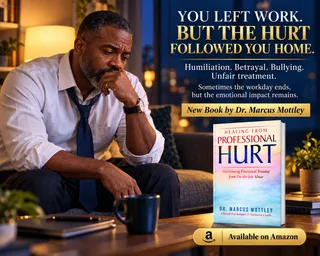
When Work Hurts
Why does workplace bullying and emotional abuse continue hurting you after work? Dr. Marcus Mottley explores Professional Hurt, its hidden costs, and pathways toward healing. ...more
Emotional Intelligence ,Healing &Professional Hurt
October 14, 2026•3 min read
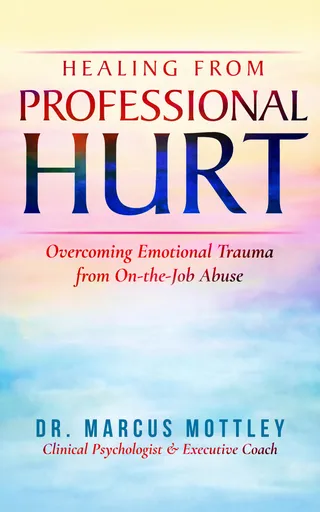
My New Book: Healing From Professional Hurt
New book on Professional Hurt with proven techniques and strategies that help people who have suffered from abuse, bullying, gaslighting, discrimination, and harassment at work from peers, managers an... ...more
Emotional Intelligence ,Healing &Professional Hurt
September 30, 2026•3 min read
Professionals Should Not Be Emotional Endurance Athletes!
Dr. Marcus Mottley discusses recent research that shows that EQ can’t always shield professionals from burnout, values conflict, and professional hurt in today’s unhealthy workplaces. ...more
Professional Development ,Emotional Intelligence &Professional Hurt
September 09, 2026•5 min read
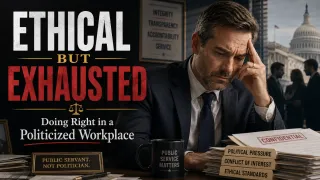
I Am Tired Doing The Right Thing
Public-sector professionals face ethical exhaustion, political pressure, corruption, professional hurt, and emotional stress while trying to stay resilient and do the right thing. ...more
Emotional Intelligence ,Leadership &Professional Hurt
August 26, 2026•6 min read

Am I Still Valuable?
There is a Quiet Professional Hurt Behind AI Anxiety. This article explores how AI uncertainty can affect confidence, identity, resilience, and a professional’s sense of value. ...more
Emotional Intelligence ,Leadership &Professional Hurt
August 19, 2026•6 min read

When Work Stress Follows You Home
When work stress follows you home, it may be time for support. This article explains how executive coaching helps professionals regain clarity, resilience, emotional strength, and better leadership un... ...more
Emotional Intelligence ,Leadership &Professional Hurt
August 05, 2026•5 min read
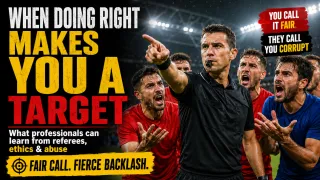
Those 'Awful' World Cup Referees
When Doing Your Job Right Makes You a Target! What professionals can learn from the experiences of World Cup referees about ethics, abuse, and emotional resilience. ...more
Emotional Intelligence ,Leadership &Professional Hurt
July 29, 2026•5 min read
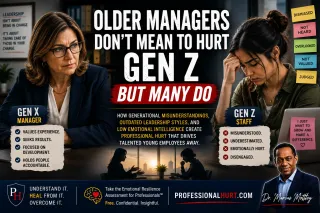
Older Managers Don't Mean to Hurt Gen Z… But Many Do
How generational misunderstandings, outdated leadership styles, and low emotional intelligence create professional hurt that drives talented young Gen Z employees away. ...more
Emotional Intelligence ,Leadership &Professional Hurt
July 21, 2026•5 min read
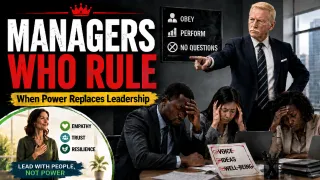
Managers Who Rule Instead of Lead
Many managers rely on authority instead of leadership. Discover how poor communication, low emotional intelligence, and fear create professional hurt, and what effective leaders do differently. ...more
Emotional Intelligence ,Leadership &Professional Hurt
July 15, 2026•5 min read
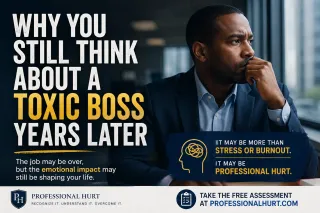
Why You Still Think About a Toxic Boss Years Later
Still thinking about a toxic boss years later? Learn how Professional Hurt affects confidence and emotional resilience, and take the free assessment at ProfessionalHurt.com. ...more
Emotional Intelligence ,Leadership &Professional Hurt
July 08, 2026•7 min read
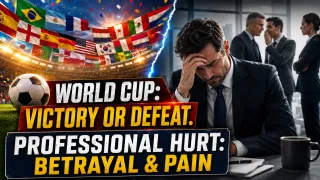
The World Cup Ends with Victory or Defeat But Professional Hurt Begins with Betrayal.
This article compares the FIFA World Cup realities vs on-the-job abuse and explores how workplace wounds caused by others demand resilience, healing, and self-understanding. ...more
Leadership ,Professional Hurt
July 01, 2026•3 min read
FAQ
Frequently Asked Questions About Professional Hurt, Emotional Intelligence, and Emotional Resilience.
1. What is Professional Hurt?
Professional Hurt is the emotional, psychological, and often career-related injury that can occur when professionals experience toxic leadership, workplace emotional abuse, chronic invalidation, humiliation, betrayal, intimidation, exclusion, or organizational harm. Unlike ordinary workplace stress, Professional Hurt can continue affecting a person’s confidence, identity, motivation, relationships, and emotional well-being long after the original experience has ended.
2. How is Professional Hurt different from burnout?
Burnout usually comes from chronic stress, overwork, emotional exhaustion, and prolonged demands. Professional Hurt goes deeper. It often involves emotional injury caused by toxic relationships, betrayal, humiliation, bullying, invalidation, or abusive leadership. A burned-out professional may feel depleted. A professionally hurt person may feel wounded, betrayed, diminished, and unsure of themselves.
3. Can toxic leadership cause Professional Hurt?
Yes. Toxic leadership can cause Professional Hurt when leaders use intimidation, public criticism, manipulation, favoritism, emotional invalidation, threats, exclusion, or control tactics instead of emotionally intelligent leadership. Over time, these behaviors can damage trust, confidence, motivation, and psychological safety.
4. Can Professional Hurt affect emotional health?
Yes. Professional Hurt can contribute to anxiety, depression, rumination, sleep problems, emotional exhaustion, loss of confidence, irritability, isolation, and difficulty trusting others. Some professionals continue replaying painful workplace experiences long after they have left the environment because the emotional injury has not yet been fully processed or healed.
5. Why do some professionals suffer in silence?
Many professionals suffer in silence because they fear being judged, labeled as weak, viewed as too sensitive, or punished for speaking up. High-achieving professionals may also minimize their pain because they are used to performing under pressure. Unfortunately, silence often allows the emotional injury to deepen.
6. What role does Emotional Intelligence play in preventing Professional Hurt?
Emotional Intelligence helps leaders recognize the emotional impact of their words, decisions, power, and behavior. Leaders with strong emotional intelligence are more likely to communicate respectfully, manage conflict constructively, repair harm, build trust, and create psychologically safer workplaces. Poor emotional intelligence often increases the risk of emotional damage.
7. How does Emotional Resilience help professionals recover?
Emotional Resilience helps professionals regain stability, perspective, confidence, and emotional strength after difficult workplace experiences. It does not mean pretending the hurt did not happen. It means learning how to process the experience, protect your emotional health, rebuild your sense of self, and move forward without allowing the pain to define your future.
8. How do I know if I have experienced Professional Hurt?
You may have experienced Professional Hurt if a workplace experience continues to affect your confidence, mood, motivation, sleep, relationships, or sense of professional identity. Signs may include replaying painful conversations, dreading work, feeling emotionally unsafe, questioning your competence, feeling betrayed, or struggling to recover from how you were treated.
9. Can leaders repair Professional Hurt after damage has been done?
In some cases, yes. Repair requires honesty, accountability, humility, changed behavior, and emotionally intelligent communication. Leaders must stop minimizing the harm, listen without defensiveness, acknowledge the emotional impact, and create conditions where trust can be rebuilt. However, repair is not possible if harmful behavior continues or accountability is avoided.
10. How can Dr. Marcus Mottley’s work help professionals dealing with Professional Hurt?
Dr. Marcus M. Mottley, brings together clinical psychology, executive coaching, emotional intelligence, leadership development, and resilience training to help professionals understand, assess, and recover from Professional Hurt. His work focuses on helping professionals make sense of workplace emotional injury, rebuild confidence, strengthen resilience, and move forward with greater emotional clarity and professional power.