
Professional Hurt, Emotional Intelligence
& Resilience Knowledge Hub
Articles and insights from Dr. Marcus Mottley on professional hurt, emotional intelligence, workplace emotional abuse, toxic leadership, emotional resilience, and recovery for professionals. Professional hurt is the emotional and psychological injury caused by toxic leadership, chronic invalidation, humiliation, betrayal, workplace emotional abuse, and organizational harm.
Managers Who Rule Instead of Lead
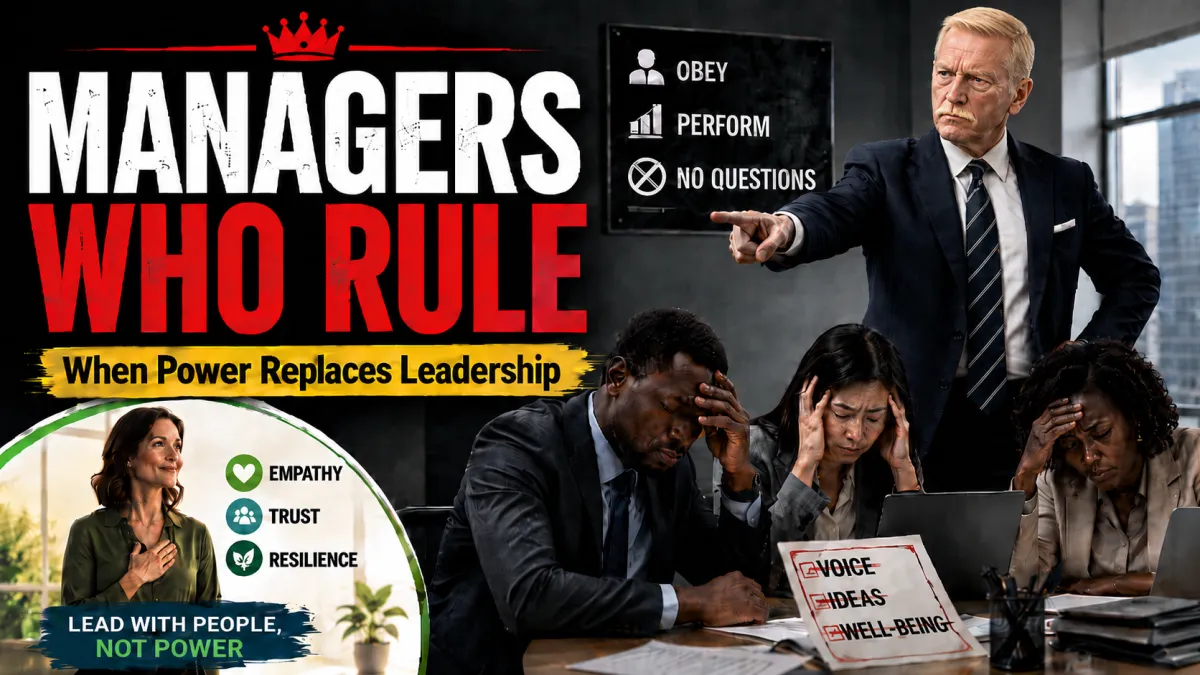
One of the painful realities I have seen repeatedly in organizations is that many managers do not actually lead. They rule.
They rule through position, authority, intimidation, policies, threats, correction, control, and command. They do not know how to persuade, influence, inspire, connect, listen, or communicate in ways that bring out the best in people. So, when they feel uncertain, pressured, challenged, or insecure, they fall back on the only tools they know: power and control.
The result is often professional hurt.
Professional hurt occurs when a person's workplace experiences cause emotional injury that begins to affect their confidence, identity, performance, relationships, and sense of professional worth. Many employees who suffer under controlling managers do not simply feel “stressed.” They feel diminished. They feel emotionally unsafe. They feel watched, judged, criticized, dismissed, or manipulated. Over time, some begin to question their own competence, even when they are highly capable.
This is where emotional abuse can quietly enter the workplace.
It may not always look dramatic. It may not involve screaming, profanity, or obvious cruelty. Sometimes it appears as constant correction without encouragement. Sometimes it is public embarrassment disguised as “accountability.” Sometimes it is repeated invalidation, sarcasm, emotional coldness, exclusion, impossible expectations, or punishment for asking reasonable questions. Sometimes it is the manager who says, “I’m just holding people accountable,” while everyone around them is emotionally exhausted, anxious, and afraid to speak honestly.
But I also want to be fair.
Many managers were never trained to lead.
They were promoted because they were technically competent, loyal, available, experienced, or good at doing the work. But doing the work and leading people who do the work are not the same thing. A person can be an excellent technician, analyst, clinician, accountant, engineer, administrator, or subject matter expert and still be deeply unprepared to manage other human beings.
This is one of the great failures in many organizations. We promote people into management and then act surprised when they do not know how to coach, motivate, influence, resolve conflict, regulate emotion, communicate expectations, or create psychological safety. We give them authority even when they lack wisdom. We give them responsibility even when they have low levels of emotional intelligence. We give them staff, but don't train them in interpersonal skills required to lead staff well.
So, when pressure rises, they rule.
They issue commands instead of creating clarity. They threaten instead of influencing. They criticize instead of coaching. They demand compliance instead of building commitment. They hide behind hierarchy instead of developing trust.
And their staff pay the emotional price.
Employees under these kinds of managers may begin to dread meetings. They may rehearse conversations before speaking. They may stop offering ideas. They may become hypervigilant about tone, facial expressions, and shifting expectations. They may begin taking work stress home into their marriages, parenting, sleep, health, and self-esteem. Some become angry. Some become numb. Some become quietly resentful. Others become so emotionally drained that they no longer recognize themselves.
This is not healthy leadership. It is managerial survival dressed up as authority.
True leadership requires emotional intelligence. It requires self-awareness, empathy, self-regulation, social awareness, and relationship management. It requires the ability to understand not only what people are doing, but what they are experiencing. Emotionally intelligent managers know that people are not machines. They understand that performance is connected to safety, clarity, respect, trust, and meaningfulness.
A manager who leads does not have to be soft. Leadership is not weakness. In fact, some of the strongest leaders I know are direct, decisive, and demanding. But they are not demeaning. They can hold people accountable without humiliating them. They can correct performance without crushing confidence. They can make hard decisions without making people feel worthless.
That distinction matters.
For managers, the challenge is clear. If you have relied too heavily on power, control, criticism, or command, it may be time to develop a different leadership toolkit. You may need coaching, emotional intelligence training, communication development, conflict resolution skills, and honest feedback about how your behavior affects others. That does not make you a bad person. It means you may have been managing with tools that are too limited for the human complexity of leadership in the modern era.
For employees who have been hurt by these managers, the challenge is also clear. Do not minimize the impact. Do not tell yourself that your emotional pain does not matter simply because the person hurting you has a title. Professional hurt is real, and repeated exposure to emotionally damaging managers can affect your confidence, resilience, and sense of self.
That is why resilience matters.
Resilience is not pretending that the hurt did not happen. It is not forcing yourself to tolerate emotional abuse. Resilience is the capacity to understand what has happened to you, protect your emotional health, rebuild your confidence, and make wise decisions about your future.
One important first step is to do a self-assessment. The Emotional Resilience Assessment for Professionals™ can help you identify how workplace experiences may be affecting your stress, confidence, emotional strength, and professional wellbeing. It can help you see patterns you may have normalized and begin naming what has been silently draining you.
Managers who rule may control behavior of their staff for a while.
But leaders who truly lead build people, strengthen teams, and create environments where professionals can think, contribute, grow, and thrive.
And that is the kind of leadership our workplaces desperately need.
FAQ
Frequently Asked Questions About Professional Hurt, Emotional Intelligence, and Emotional Resilience.
1. What is Professional Hurt?
Professional Hurt is the emotional, psychological, and often career-related injury that can occur when professionals experience toxic leadership, workplace emotional abuse, chronic invalidation, humiliation, betrayal, intimidation, exclusion, or organizational harm. Unlike ordinary workplace stress, Professional Hurt can continue affecting a person’s confidence, identity, motivation, relationships, and emotional well-being long after the original experience has ended.
2. How is Professional Hurt different from burnout?
Burnout usually comes from chronic stress, overwork, emotional exhaustion, and prolonged demands. Professional Hurt goes deeper. It often involves emotional injury caused by toxic relationships, betrayal, humiliation, bullying, invalidation, or abusive leadership. A burned-out professional may feel depleted. A professionally hurt person may feel wounded, betrayed, diminished, and unsure of themselves.
3. Can toxic leadership cause Professional Hurt?
Yes. Toxic leadership can cause Professional Hurt when leaders use intimidation, public criticism, manipulation, favoritism, emotional invalidation, threats, exclusion, or control tactics instead of emotionally intelligent leadership. Over time, these behaviors can damage trust, confidence, motivation, and psychological safety.
4. Can Professional Hurt affect emotional health?
Yes. Professional Hurt can contribute to anxiety, depression, rumination, sleep problems, emotional exhaustion, loss of confidence, irritability, isolation, and difficulty trusting others. Some professionals continue replaying painful workplace experiences long after they have left the environment because the emotional injury has not yet been fully processed or healed.
5. Why do some professionals suffer in silence?
Many professionals suffer in silence because they fear being judged, labeled as weak, viewed as too sensitive, or punished for speaking up. High-achieving professionals may also minimize their pain because they are used to performing under pressure. Unfortunately, silence often allows the emotional injury to deepen.
6. What role does Emotional Intelligence play in preventing Professional Hurt?
Emotional Intelligence helps leaders recognize the emotional impact of their words, decisions, power, and behavior. Leaders with strong emotional intelligence are more likely to communicate respectfully, manage conflict constructively, repair harm, build trust, and create psychologically safer workplaces. Poor emotional intelligence often increases the risk of emotional damage.
7. How does Emotional Resilience help professionals recover?
Emotional Resilience helps professionals regain stability, perspective, confidence, and emotional strength after difficult workplace experiences. It does not mean pretending the hurt did not happen. It means learning how to process the experience, protect your emotional health, rebuild your sense of self, and move forward without allowing the pain to define your future.
8. How do I know if I have experienced Professional Hurt?
You may have experienced Professional Hurt if a workplace experience continues to affect your confidence, mood, motivation, sleep, relationships, or sense of professional identity. Signs may include replaying painful conversations, dreading work, feeling emotionally unsafe, questioning your competence, feeling betrayed, or struggling to recover from how you were treated.
9. Can leaders repair Professional Hurt after damage has been done?
In some cases, yes. Repair requires honesty, accountability, humility, changed behavior, and emotionally intelligent communication. Leaders must stop minimizing the harm, listen without defensiveness, acknowledge the emotional impact, and create conditions where trust can be rebuilt. However, repair is not possible if harmful behavior continues or accountability is avoided.
10. How can Dr. Marcus Mottley’s work help professionals dealing with Professional Hurt?
Dr. Marcus M. Mottley, brings together clinical psychology, executive coaching, emotional intelligence, leadership development, and resilience training to help professionals understand, assess, and recover from Professional Hurt. His work focuses on helping professionals make sense of workplace emotional injury, rebuild confidence, strengthen resilience, and move forward with greater emotional clarity and professional power.