
Professional Hurt, Emotional Intelligence
& Resilience Knowledge Hub
Articles and insights from Dr. Marcus Mottley on professional hurt, emotional intelligence, workplace emotional abuse, toxic leadership, emotional resilience, and recovery for professionals. Professional hurt is the emotional and psychological injury caused by toxic leadership, chronic invalidation, humiliation, betrayal, workplace emotional abuse, and organizational harm.
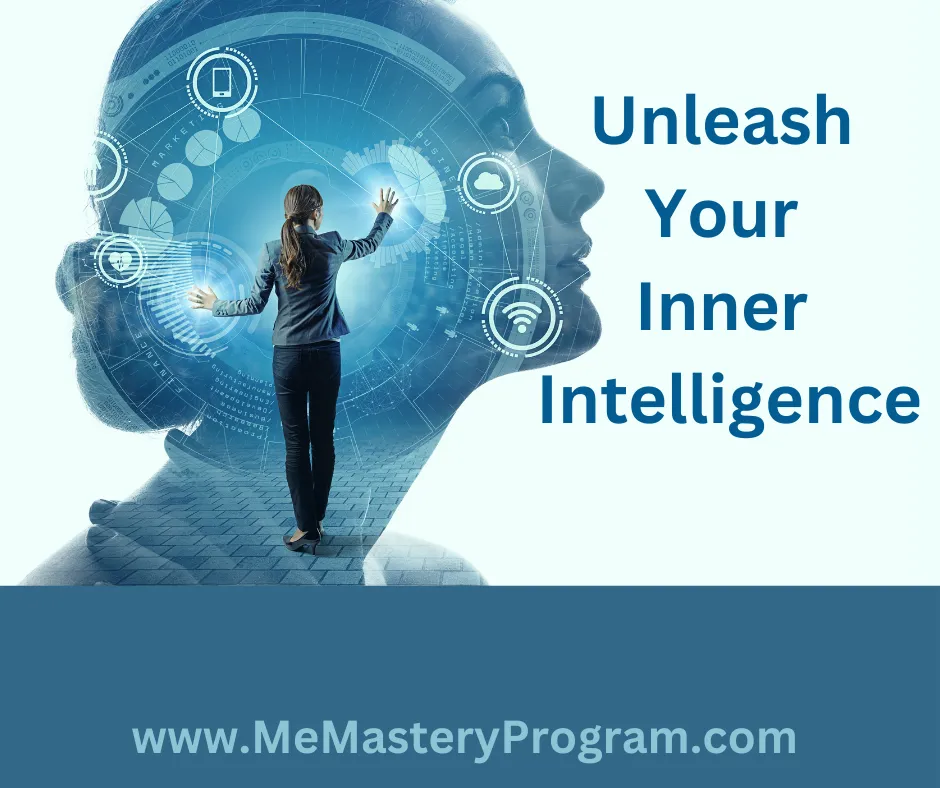
Unleash Your Inner Intelligence for Personal Growth
Let’s take a brief look at the issue of self-discovery and growth, and dive into the intriguing topic of our inner potential and the power of inner intelligence.
I'm passionate about this subject and would like to share my understanding of how to access the inner creative and sage reservoir. I firmly believe that nurturing the innate abilities that each of us possesses is what allows for our personal growth, which is not only dependent on outside knowledge but also thrives on it. Let's investigate this idea of inner intelligence and discover how it can guide us to a path of radical change and self-realization.
Believing in Your Inner Wisdom
Most of us look to outside sources for advice as we strive for personal growth. While these resources are helpful, I believe that we all possess a reservoir of wisdom that is just waiting to be discovered. Self-awareness, intuition, and creativity are all parts of this inner intelligence, and they all work together to support personal development. We can embark on a profound journey of self-discovery that goes beyond purely intellectual knowledge if we can learn to embrace and trust our inner wisdom.
Pay Attention to Your Gut
The unspoken guidance system that offers understandings beyond what is possible with reason is intuition; it is the language of our inner intelligence. Based on my own experiences, I urge you to pay attention to your inner voice because it is a source of deep wisdom. By developing our intuition through self-awareness and mindfulness, we learn to tune into our deeper aspirations, desires, and purposes. Trusting our intuition enables us to make choices that are in line with our true selves, opening up opportunities for development, self-mastery, and, in the end, personal fulfillment and self-actualization.
Discover the Power of Creativity
It's crucial for personal development that we embrace our creative intelligence. I firmly believe that everyone is creative; it is not just a trait of artists, creators, and innovators. By exercising our creative potential, we can draw from an endless supply of concepts, options, and solutions. Writing, creating music and art, or solving unique problems are all examples of creative endeavors that nurture our inner intelligence and advance our professional and personal development. I therefore urge you to embrace the joy of creative expression because it opens the door to self-discovery and helps us realize our untapped potential.
Develop Self-Awareness
Self-awareness is a powerful tool for establishing a connection with our inner intelligence. We gain deeper understanding of our thoughts, emotions, and behaviors as we become more self-aware through techniques like meditation and self-inquiry. We can overcome our 'perceived' limitations by accepting all of our patterns – our strengths, our weaknesses, our successes and our failures… and everything in between. When we are self-aware, we take control of our own development and make decisions that help us grow into the best versions of ourselves.
Foster A Growth Mindset
Adopting a growth mindset is crucial for our quest for personal development. Consider your obstacles and failures as chances for growth and progress. With a growth mindset, we can approach life with curiosity, resiliency, and an openness to novel experiences. For example, we should develop a positive outlook on change because it is only by embracing the unknown that we can reach our full potential and discover new opportunities for success.
When we unleash our inner intelligence, we can then unlock a world of personal growth, development, and limitless opportunities that will lead us to our own sense of fulfillment and move towards full self-actualization.
FAQ
Frequently Asked Questions About Professional Hurt, Emotional Intelligence, and Emotional Resilience.
1. What is Professional Hurt?
Professional Hurt is the emotional, psychological, and often career-related injury that can occur when professionals experience toxic leadership, workplace emotional abuse, chronic invalidation, humiliation, betrayal, intimidation, exclusion, or organizational harm. Unlike ordinary workplace stress, Professional Hurt can continue affecting a person’s confidence, identity, motivation, relationships, and emotional well-being long after the original experience has ended.
2. How is Professional Hurt different from burnout?
Burnout usually comes from chronic stress, overwork, emotional exhaustion, and prolonged demands. Professional Hurt goes deeper. It often involves emotional injury caused by toxic relationships, betrayal, humiliation, bullying, invalidation, or abusive leadership. A burned-out professional may feel depleted. A professionally hurt person may feel wounded, betrayed, diminished, and unsure of themselves.
3. Can toxic leadership cause Professional Hurt?
Yes. Toxic leadership can cause Professional Hurt when leaders use intimidation, public criticism, manipulation, favoritism, emotional invalidation, threats, exclusion, or control tactics instead of emotionally intelligent leadership. Over time, these behaviors can damage trust, confidence, motivation, and psychological safety.
4. Can Professional Hurt affect emotional health?
Yes. Professional Hurt can contribute to anxiety, depression, rumination, sleep problems, emotional exhaustion, loss of confidence, irritability, isolation, and difficulty trusting others. Some professionals continue replaying painful workplace experiences long after they have left the environment because the emotional injury has not yet been fully processed or healed.
5. Why do some professionals suffer in silence?
Many professionals suffer in silence because they fear being judged, labeled as weak, viewed as too sensitive, or punished for speaking up. High-achieving professionals may also minimize their pain because they are used to performing under pressure. Unfortunately, silence often allows the emotional injury to deepen.
6. What role does Emotional Intelligence play in preventing Professional Hurt?
Emotional Intelligence helps leaders recognize the emotional impact of their words, decisions, power, and behavior. Leaders with strong emotional intelligence are more likely to communicate respectfully, manage conflict constructively, repair harm, build trust, and create psychologically safer workplaces. Poor emotional intelligence often increases the risk of emotional damage.
7. How does Emotional Resilience help professionals recover?
Emotional Resilience helps professionals regain stability, perspective, confidence, and emotional strength after difficult workplace experiences. It does not mean pretending the hurt did not happen. It means learning how to process the experience, protect your emotional health, rebuild your sense of self, and move forward without allowing the pain to define your future.
8. How do I know if I have experienced Professional Hurt?
You may have experienced Professional Hurt if a workplace experience continues to affect your confidence, mood, motivation, sleep, relationships, or sense of professional identity. Signs may include replaying painful conversations, dreading work, feeling emotionally unsafe, questioning your competence, feeling betrayed, or struggling to recover from how you were treated.
9. Can leaders repair Professional Hurt after damage has been done?
In some cases, yes. Repair requires honesty, accountability, humility, changed behavior, and emotionally intelligent communication. Leaders must stop minimizing the harm, listen without defensiveness, acknowledge the emotional impact, and create conditions where trust can be rebuilt. However, repair is not possible if harmful behavior continues or accountability is avoided.
10. How can Dr. Marcus Mottley’s work help professionals dealing with Professional Hurt?
Dr. Marcus M. Mottley, brings together clinical psychology, executive coaching, emotional intelligence, leadership development, and resilience training to help professionals understand, assess, and recover from Professional Hurt. His work focuses on helping professionals make sense of workplace emotional injury, rebuild confidence, strengthen resilience, and move forward with greater emotional clarity and professional power.