
Professional Hurt, Emotional Intelligence
& Resilience Knowledge Hub
Articles and insights from Dr. Marcus Mottley on professional hurt, emotional intelligence, workplace emotional abuse, toxic leadership, emotional resilience, and recovery for professionals. Professional hurt is the emotional and psychological injury caused by toxic leadership, chronic invalidation, humiliation, betrayal, workplace emotional abuse, and organizational harm.
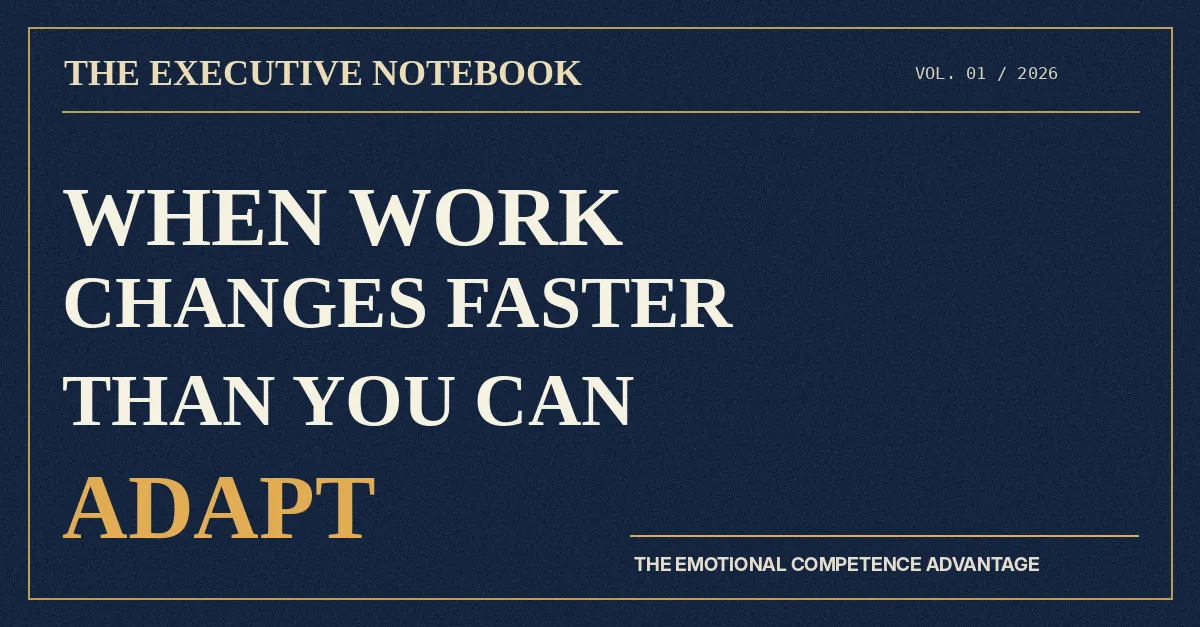
When Work Changes Faster Than You Can Adapt
Here's why clear thinking, truthful leadership, and deliberate action matter when careers feel uncertain. In a changing workplace, the most difficult question is not always, “What will happen to my job?” Sometimes it is, “What will happen to me?”
A new technology arrives. A department is reorganized. Responsibilities are reassigned. A manager who once valued your work is replaced by someone with different priorities. What looks like a business decision on an organizational chart can feel like a personal threat to someone whose identity, confidence, and livelihood are connected to that work.
As a clinical psychologist and executive coach, I have spent years working with professionals and leaders facing pressure. One lesson stands out: the same organizational change can produce very different responses. Some people become energized and curious. Others become cautious, angry, overwhelmed, or immobilized.
The difference is not simply intelligence, experience, or toughness. It often involves how people interpret pressure as well as how effectively they respond to it.
Pressure can distort our thinking
Under stress, we can mistake predictions for facts. A new AI tool becomes proof that our position is doomed. A leader's silence becomes evidence of rejection. A difficult week becomes a verdict on our competence.
I call attention to this process because the first task is not to “think positively.” It is to think accurately.
One of the tools I use is Reality Testing: separate known facts, assumptions and inferences, objective data, and reports from other people. Examine where these information streams agree and where they conflict. Then decide what additional information you need.
Realism is not pessimism. Nor is it optimism that ignores danger. It is a disciplined starting point for useful action.
Emotional intelligence must become emotional competence
Knowing that you should remain calm is not the same as remaining effective when your professional future feels uncertain.
This is why I distinguish Emotional Intelligence from Emotional Competence. Emotional intelligence gives us important awareness and understanding. Emotional competence requires that we translate that understanding into effective behavior under real conditions.
You might feel anxious and still ask a thoughtful question. You might feel angry and still communicate respectfully. You might feel disappointed and still make a sound career decision.
A principle I frequently teach is: Behave differently from how you feel. It does not mean suppressing emotion. It means retaining the ability to choose your behavior rather than allowing emotional intensity to choose it for you.
Leaders have a responsibility, too
Organizations sometimes treat uncertainty as an employee problem to manage. But leadership behavior can either reduce unnecessary distress or magnify it.
Employees do not expect every manager to predict the future. They do, however, need honesty about what is known, clarity about what remains undecided, and respect when they ask difficult questions.
When leaders repeatedly avoid, dismiss, or humiliate people during change, the issue can move beyond uncertainty into Professional Hurt. That distinction matters. Normal discomfort with change should not be confused with injury caused by how people are treated.
In my new book, Healing from Professional Hurt, I examine the emotional consequences of damaging workplace experiences and the process of rebuilding confidence and effectiveness. The book is available on Amazon.
Three questions for the week ahead
If your workplace is changing, begin with these questions:
What do I know? Identify facts before drawing conclusions.
What can I influence? Consider the skills you can develop, the conversations you can initiate, and the boundaries you can establish.
What response serves my longer-term interests? Choose action that protects both your professional effectiveness and your dignity.
You cannot make every workplace predictable. But you can become more capable of thinking clearly, responding deliberately, and moving forward—even when certainty is unavailable.
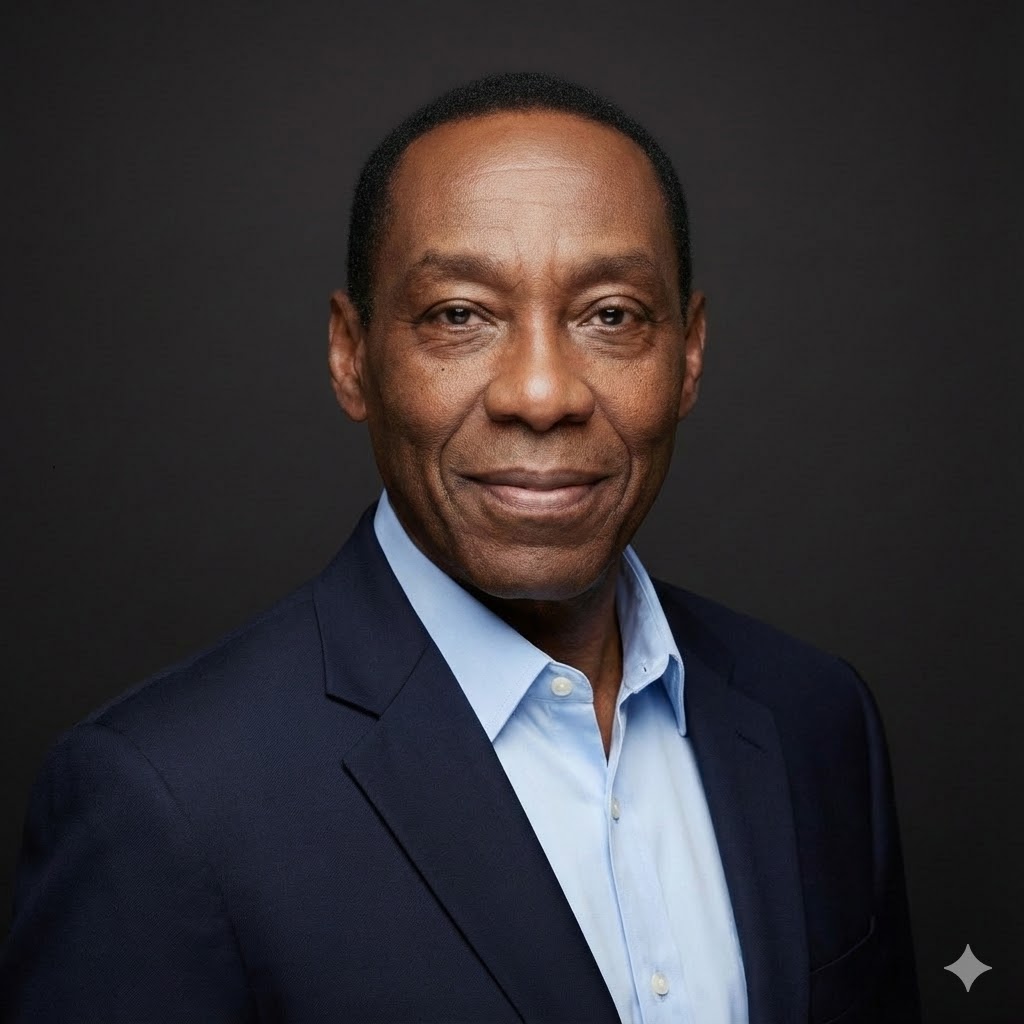
Dr. Marcus Mottley, Ph.D. | Clinical Psychologist, Executive Coach & Author
FAQ
Frequently Asked Questions About Professional Hurt, Emotional Intelligence, and Emotional Resilience.
1. What is Professional Hurt?
Professional Hurt is the emotional, psychological, and often career-related injury that can occur when professionals experience toxic leadership, workplace emotional abuse, chronic invalidation, humiliation, betrayal, intimidation, exclusion, or organizational harm. Unlike ordinary workplace stress, Professional Hurt can continue affecting a person’s confidence, identity, motivation, relationships, and emotional well-being long after the original experience has ended.
2. How is Professional Hurt different from burnout?
Burnout usually comes from chronic stress, overwork, emotional exhaustion, and prolonged demands. Professional Hurt goes deeper. It often involves emotional injury caused by toxic relationships, betrayal, humiliation, bullying, invalidation, or abusive leadership. A burned-out professional may feel depleted. A professionally hurt person may feel wounded, betrayed, diminished, and unsure of themselves.
3. Can toxic leadership cause Professional Hurt?
Yes. Toxic leadership can cause Professional Hurt when leaders use intimidation, public criticism, manipulation, favoritism, emotional invalidation, threats, exclusion, or control tactics instead of emotionally intelligent leadership. Over time, these behaviors can damage trust, confidence, motivation, and psychological safety.
4. Can Professional Hurt affect emotional health?
Yes. Professional Hurt can contribute to anxiety, depression, rumination, sleep problems, emotional exhaustion, loss of confidence, irritability, isolation, and difficulty trusting others. Some professionals continue replaying painful workplace experiences long after they have left the environment because the emotional injury has not yet been fully processed or healed.
5. Why do some professionals suffer in silence?
Many professionals suffer in silence because they fear being judged, labeled as weak, viewed as too sensitive, or punished for speaking up. High-achieving professionals may also minimize their pain because they are used to performing under pressure. Unfortunately, silence often allows the emotional injury to deepen.
6. What role does Emotional Intelligence play in preventing Professional Hurt?
Emotional Intelligence helps leaders recognize the emotional impact of their words, decisions, power, and behavior. Leaders with strong emotional intelligence are more likely to communicate respectfully, manage conflict constructively, repair harm, build trust, and create psychologically safer workplaces. Poor emotional intelligence often increases the risk of emotional damage.
7. How does Emotional Resilience help professionals recover?
Emotional Resilience helps professionals regain stability, perspective, confidence, and emotional strength after difficult workplace experiences. It does not mean pretending the hurt did not happen. It means learning how to process the experience, protect your emotional health, rebuild your sense of self, and move forward without allowing the pain to define your future.
8. How do I know if I have experienced Professional Hurt?
You may have experienced Professional Hurt if a workplace experience continues to affect your confidence, mood, motivation, sleep, relationships, or sense of professional identity. Signs may include replaying painful conversations, dreading work, feeling emotionally unsafe, questioning your competence, feeling betrayed, or struggling to recover from how you were treated.
9. Can leaders repair Professional Hurt after damage has been done?
In some cases, yes. Repair requires honesty, accountability, humility, changed behavior, and emotionally intelligent communication. Leaders must stop minimizing the harm, listen without defensiveness, acknowledge the emotional impact, and create conditions where trust can be rebuilt. However, repair is not possible if harmful behavior continues or accountability is avoided.
10. How can Dr. Marcus Mottley’s work help professionals dealing with Professional Hurt?
Dr. Marcus M. Mottley, brings together clinical psychology, executive coaching, emotional intelligence, leadership development, and resilience training to help professionals understand, assess, and recover from Professional Hurt. His work focuses on helping professionals make sense of workplace emotional injury, rebuild confidence, strengthen resilience, and move forward with greater emotional clarity and professional power.