
Professional Hurt, Emotional Intelligence
& Resilience Knowledge Hub
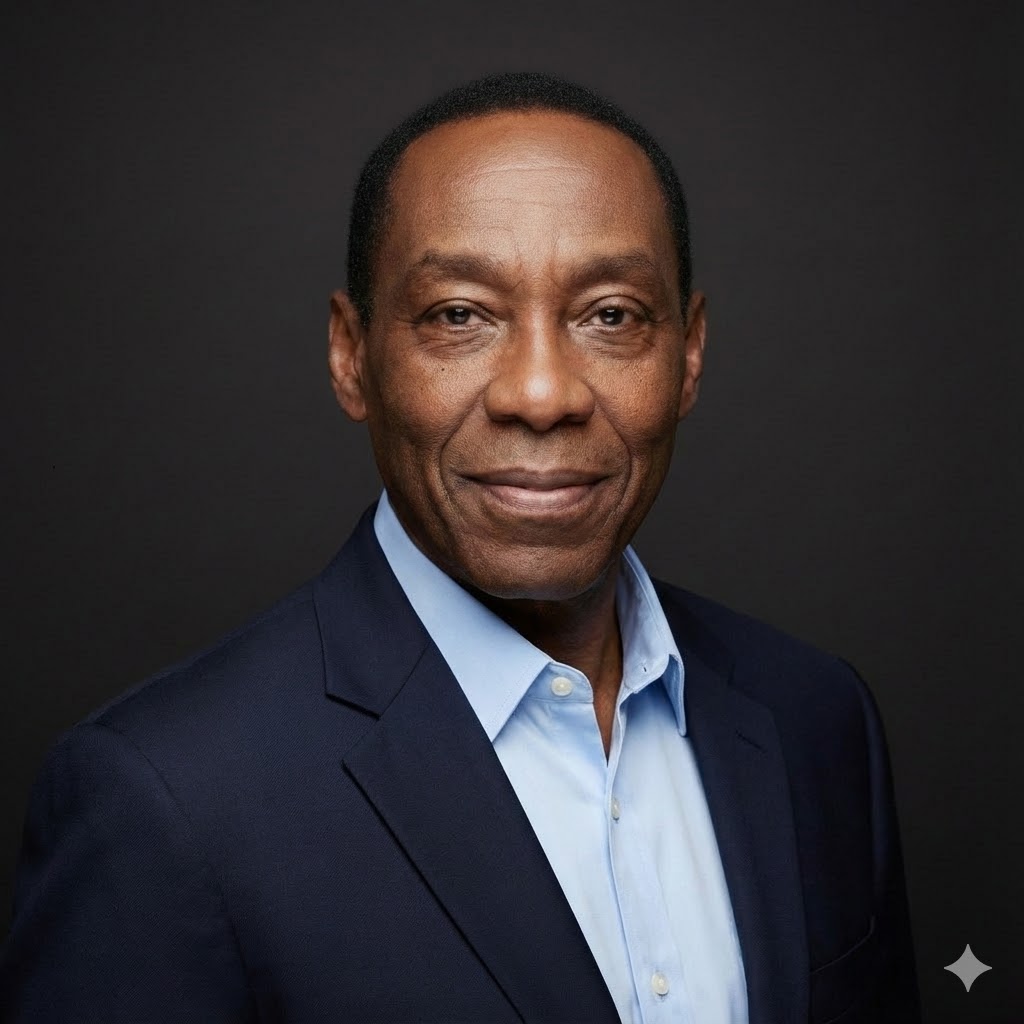
Articles and insights from Dr. Marcus Mottley on professional hurt, emotional intelligence, workplace emotional abuse, toxic leadership, emotional resilience, and recovery for professionals. Professional hurt is the emotional and psychological injury caused by toxic leadership, chronic invalidation, humiliation, betrayal, workplace emotional abuse, and organizational harm.

A Fail-Proof Way To Brand Yourself & Take Your Career To the Next Level!
On my journey as a professional in several different areas of expertise, I've come to recognize that the realm of personal branding is undergoing a seismic shift. These are the times when everyone is claiming the title of ‘influencer’. This is true for those who have tons of experiences and successes under their belt.. and true also for those who are “want to be’s” whose claim to fame is their – well – claim… to fame!
Notwithstanding the vapid self-promoters, personal branding – personal promotion is very important. it is crucial that you promote yourself if you really have a lot of knowledge, experience and skill in your particular field!
No longer is it sufficient to simply excel in one's chosen domain. Most people take good expertise for granted. And, if you are good at what you do… then they will take you – and your hard earned knowledge, skills and success for granted also!
So… there is a new dynamic that is needed if you are to be recognized for your expertise! Not only must you be and expert at what you do… but you must also have expertise as an educator. You educate people on the topics in your field… and by doing so… you educate them about how good you are! Yep!
I've personally experienced the transformative power of embracing the role of a trainer/educator/coach, and I believe this is the next frontier for personal branding.
Empty bragging will get you some followers on Instagram – for a minute. But once those people realize that you are not as good or as solid – or as knowledgeable as you told them... they will disappear!
So – the best way to brand yourself… and yep… to be an influencer… is to educate others…
When I first started out ‘many’ years ago, the emphasis for professionals was largely on accumulating qualifications and skills, believing that these would naturally lead to wide recognition (and elevation). However, as the professional landscape became more saturated, standing out became increasingly difficult. Look around you in your close circle… almost everyone has at least a Master’s Degree in something.
What's more, the digital age has democratized knowledge, meaning that neither certifications or expertise alone are any longer the distinguishing factors they once were.
So, where does that leave experienced professionals like us?
Enter the value of being seen as both a professional and a trainer/educator or coach.
1. Building Authentic Connections: As I began to share my knowledge and mentor other people, I noticed a remarkable change. People weren't just recognizing my expertise; they were connecting with my passion and dedication. Training others allowed me to build broader, deeper and more meaningful relationships within my industry.
2. Positioning as a Thought Leader: By wearing the hat of a trainer, I was no longer just another expert in the field. Instead, in my specific areas of expertise and for the people I conversed with, I was shaping the discourse, steering conversations, and having a direct hand in guiding their thoughts on developmental aspects of the core subjects. This not only enhanced my personal brand but also positioned me as a thought leader in these areas.
3. A Continuous Learning Journey: Perhaps one of the most enriching aspects of becoming a trainer was the way it enhanced my own learning. As the saying goes, "To teach is to learn twice." Every session I conducted deepened my understanding, forcing me to revisit concepts, challenge my own beliefs, and stay updated.
4. Increased Opportunities and Reach: As my reputation as a reliable trainer and coach has grown, so did the opportunities knocking at my door. From speaking engagements to collaborations, and these various roles are expandind my professional network exponentially.
5. Giving Back to the Community: On a personal note, transitioning into the role of a trainer felt like coming full circle. It was my way of giving back, of ensuring that the lessons I learned, the mistakes I made, and the insights I gained were passed on. And believe me, there's an unmatched satisfaction in seeing your mentees, coachees and students thrive.
So... What About You?
If you are a professional who is looking to maximize your expert knowledge and skills, the message is clear: it's time to step into the limelight not just as experts, but as educators, trainers, mentors and coaches.
In this competitive world, personal branding is no longer just about showcasing our accolades but about sharing our stories, our insights, and our experiences. It's about creating a legacy of knowledge.
So, I urge you to embrace this roles. For in teaching, we not only elevate others but also ourselves. In this ever-evolving world, redefining our personal brand to include the invaluable aspect of training is not just an opportunity; it's a necessity.
And when you coach and mentor – you are taking and active role in developing the next level of professionals wherever you are… and wherever they may be…
And wherever the future leads.
If you want to start this process… take a look at this.
FAQ
Frequently Asked Questions About Professional Hurt, Emotional Intelligence, and Emotional Resilience.
1. What is Professional Hurt?
Professional Hurt is the emotional, psychological, and often career-related injury that can occur when professionals experience toxic leadership, workplace emotional abuse, chronic invalidation, humiliation, betrayal, intimidation, exclusion, or organizational harm. Unlike ordinary workplace stress, Professional Hurt can continue affecting a person’s confidence, identity, motivation, relationships, and emotional well-being long after the original experience has ended.
2. How is Professional Hurt different from burnout?
Burnout usually comes from chronic stress, overwork, emotional exhaustion, and prolonged demands. Professional Hurt goes deeper. It often involves emotional injury caused by toxic relationships, betrayal, humiliation, bullying, invalidation, or abusive leadership. A burned-out professional may feel depleted. A professionally hurt person may feel wounded, betrayed, diminished, and unsure of themselves.
3. Can toxic leadership cause Professional Hurt?
Yes. Toxic leadership can cause Professional Hurt when leaders use intimidation, public criticism, manipulation, favoritism, emotional invalidation, threats, exclusion, or control tactics instead of emotionally intelligent leadership. Over time, these behaviors can damage trust, confidence, motivation, and psychological safety.
4. Can Professional Hurt affect emotional health?
Yes. Professional Hurt can contribute to anxiety, depression, rumination, sleep problems, emotional exhaustion, loss of confidence, irritability, isolation, and difficulty trusting others. Some professionals continue replaying painful workplace experiences long after they have left the environment because the emotional injury has not yet been fully processed or healed.
5. Why do some professionals suffer in silence?
Many professionals suffer in silence because they fear being judged, labeled as weak, viewed as too sensitive, or punished for speaking up. High-achieving professionals may also minimize their pain because they are used to performing under pressure. Unfortunately, silence often allows the emotional injury to deepen.
6. What role does Emotional Intelligence play in preventing Professional Hurt?
Emotional Intelligence helps leaders recognize the emotional impact of their words, decisions, power, and behavior. Leaders with strong emotional intelligence are more likely to communicate respectfully, manage conflict constructively, repair harm, build trust, and create psychologically safer workplaces. Poor emotional intelligence often increases the risk of emotional damage.
7. How does Emotional Resilience help professionals recover?
Emotional Resilience helps professionals regain stability, perspective, confidence, and emotional strength after difficult workplace experiences. It does not mean pretending the hurt did not happen. It means learning how to process the experience, protect your emotional health, rebuild your sense of self, and move forward without allowing the pain to define your future.
8. How do I know if I have experienced Professional Hurt?
You may have experienced Professional Hurt if a workplace experience continues to affect your confidence, mood, motivation, sleep, relationships, or sense of professional identity. Signs may include replaying painful conversations, dreading work, feeling emotionally unsafe, questioning your competence, feeling betrayed, or struggling to recover from how you were treated.
9. Can leaders repair Professional Hurt after damage has been done?
In some cases, yes. Repair requires honesty, accountability, humility, changed behavior, and emotionally intelligent communication. Leaders must stop minimizing the harm, listen without defensiveness, acknowledge the emotional impact, and create conditions where trust can be rebuilt. However, repair is not possible if harmful behavior continues or accountability is avoided.
10. How can Dr. Marcus Mottley’s work help professionals dealing with Professional Hurt?
Dr. Marcus M. Mottley, brings together clinical psychology, executive coaching, emotional intelligence, leadership development, and resilience training to help professionals understand, assess, and recover from Professional Hurt. His work focuses on helping professionals make sense of workplace emotional injury, rebuild confidence, strengthen resilience, and move forward with greater emotional clarity and professional power.