
Professional Hurt, Emotional Intelligence
& Resilience Knowledge Hub
Articles and insights from Dr. Marcus Mottley on professional hurt, emotional intelligence, workplace emotional abuse, toxic leadership, emotional resilience, and recovery for professionals. Professional hurt is the emotional and psychological injury caused by toxic leadership, chronic invalidation, humiliation, betrayal, workplace emotional abuse, and organizational harm.
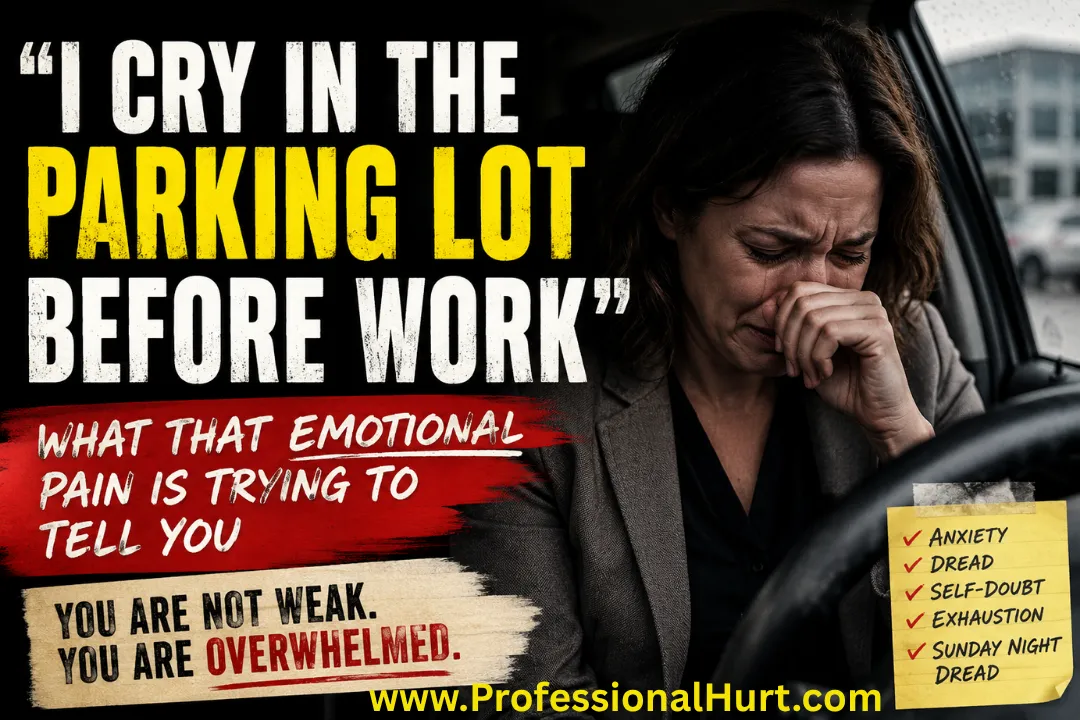
Before Work - I Cry In the Parking Lot!
I have spent decades as a clinical psychologist and executive coach helping professionals who were quietly falling apart emotionally because of what was happening to them at work. Many of them looked successful on the outside. They wore the title, carried the responsibility, attended the meetings, smiled when necessary, and kept functioning.
But privately... many of them cried in parking lots before work. Some cried in bathroom stalls during lunch breaks. Some sat in their cars after work unable to drive home for fifteen minutes because they felt emotionally drained and psychologically crushed. Others lay awake at night with anxiety building in their chest because they dreaded the next morning.
And perhaps the most painful part is this... Many of these professionals kept telling themselves, “Maybe I’m just weak.” “No one else seems affected.” “I should be able to handle this.”
But emotional pain is information. Emotional pain is communication. Emotional pain is often your mind and body trying desperately to tell you that something unhealthy, emotionally unsafe, or psychologically damaging is happening.
When professionals experience ongoing criticism, humiliation, gaslighting, manipulation, exclusion, intimidation, emotional unpredictability, or chronic disrespect in the workplace, the nervous system eventually begins to react. The body starts sounding an alarm.
That alarm may come in the form of:
Anxiety before work
Emotional exhaustion
Crying unexpectedly
Panic symptoms
Difficulty sleeping
Loss of confidence
Overthinking conversations
Feeling emotionally numb
Constant self-doubt
Sunday night dread
Irritability at home
Depression or hopelessness
Many professionals ignore these warning signs for months or years because they believe endurance is strength.
But there is a difference between resilience and emotional injury.
One of the great tragedies I see is highly intelligent, capable professionals believing that because the abuse is not physical, it somehow “doesn’t count.” Yet emotional abuse at work can profoundly alter a person’s confidence, emotional stability, identity, relationships, and physical health.
I have worked with professionals who began questioning their intelligence because of a toxic supervisor. I have seen people lose their spark, their creativity, and their emotional energy after years of workplace psychological mistreatment.
Professional hurt is real.
And if you are hurting right now, I want you to understand something important: Your emotional reactions may not mean you are broken. They may mean you have been emotionally overwhelmed for too long without enough psychological safety, support, validation, or recovery.
Recommendation #1: Stop Minimizing What You Are Experiencing
This is one of the first and most important steps. Many professionals invalidate their own pain by saying things like:
“It’s just work.”
“Maybe I’m overreacting.”
“Other people have it worse.”
“I should be tougher.”
But emotional abuse becomes even more damaging when the victim starts dismissing their own reality.
If you feel emotionally unsafe, chronically anxious, psychologically diminished, or emotionally exhausted because of what is happening at work, take that seriously.
Naming the experience matters. Sometimes the greatest emotional relief comes when someone finally says: “What you are experiencing is not normal, healthy, or acceptable.”
That moment often becomes the beginning of healing.
Recommendation #2: Protect Your Nervous System and Emotional Energy
Many hurting professionals spend all their energy trying to survive the workplace while neglecting emotional recovery.
Your nervous system cannot remain in prolonged states of hypervigilance without consequences. This means you must intentionally begin creating emotional recovery practices outside of work.
That may include:
Reducing exposure to toxic interactions where possible
Taking intentional breaks during the workday
Practicing emotional decompression after work
Limiting rumination and mental replaying of incidents
Reconnecting with supportive people
Journaling your experiences
Strengthening emotional boundaries
Seeking therapy, coaching, or support
One of the biggest mistakes professionals make is waiting until they completely collapse emotionally before they begin caring for themselves psychologically.
Do not wait for a breakdown before giving yourself permission to recover.
Recommendation #3: Rebuild Your Internal Voice
One of the deepest injuries caused by workplace emotional abuse is the destruction of self-trust.
Over time, many professionals begin internalizing the voice of the abuser:
“I’m incompetent.”
“I’m too sensitive.”
“I can’t do anything right.”
“I’m failing.”
“Maybe I’m the problem.”
Eventually, the workplace voice becomes your inner voice. Part of healing involves reclaiming your own psychological narrative.
This requires consciously rebuilding emotional self-respect, self-trust, and emotional grounding. It means learning to separate who you truly are from what prolonged emotional mistreatment has conditioned you to believe about yourself.
That process takes time. But it is possible.
I have watched professionals who were emotionally crushed gradually regain confidence, emotional stability, clarity, and strength once they understood what had happened to them and began intentionally healing.
And importantly... many of them realized they were not alone.
Over the past several years, I have become increasingly convinced that emotional abuse and professional hurt in the workplace are far more widespread than most organizations acknowledge. That realization is one of the reasons I began developing my forthcoming book on this subject, along with a companion video-based recovery and emotional resilience program for professionals.
I have also spent considerable time developing resources through my work at Professional Hurt, particularly for professionals trying to make sense of the emotional impact their workplace experiences have had on them.
One resource many professionals have found useful is the Emotional Resilience Assessment for Professionals™, which helps individuals better understand the hidden emotional strain, professional hurt, and emotional competence challenges that may be affecting them under pressure.
Sometimes clarity is healing. Sometimes finally understanding why you feel the way you do becomes the first real step toward recovery.
And if you are the person sitting in the parking lot before work trying to hold yourself together emotionally, I want to leave you with this:
Your pain is not meaningless. Your emotional reactions are not weakness. And your nervous system may be telling you something your mind has been trying to ignore for far too long.
Want to know more? Go to www.ProfessionalHurt.com

FAQ
Frequently Asked Questions About Professional Hurt, Emotional Intelligence, and Emotional Resilience.
1. What is Professional Hurt?
Professional Hurt is the emotional, psychological, and often career-related injury that can occur when professionals experience toxic leadership, workplace emotional abuse, chronic invalidation, humiliation, betrayal, intimidation, exclusion, or organizational harm. Unlike ordinary workplace stress, Professional Hurt can continue affecting a person’s confidence, identity, motivation, relationships, and emotional well-being long after the original experience has ended.
2. How is Professional Hurt different from burnout?
Burnout usually comes from chronic stress, overwork, emotional exhaustion, and prolonged demands. Professional Hurt goes deeper. It often involves emotional injury caused by toxic relationships, betrayal, humiliation, bullying, invalidation, or abusive leadership. A burned-out professional may feel depleted. A professionally hurt person may feel wounded, betrayed, diminished, and unsure of themselves.
3. Can toxic leadership cause Professional Hurt?
Yes. Toxic leadership can cause Professional Hurt when leaders use intimidation, public criticism, manipulation, favoritism, emotional invalidation, threats, exclusion, or control tactics instead of emotionally intelligent leadership. Over time, these behaviors can damage trust, confidence, motivation, and psychological safety.
4. Can Professional Hurt affect emotional health?
Yes. Professional Hurt can contribute to anxiety, depression, rumination, sleep problems, emotional exhaustion, loss of confidence, irritability, isolation, and difficulty trusting others. Some professionals continue replaying painful workplace experiences long after they have left the environment because the emotional injury has not yet been fully processed or healed.
5. Why do some professionals suffer in silence?
Many professionals suffer in silence because they fear being judged, labeled as weak, viewed as too sensitive, or punished for speaking up. High-achieving professionals may also minimize their pain because they are used to performing under pressure. Unfortunately, silence often allows the emotional injury to deepen.
6. What role does Emotional Intelligence play in preventing Professional Hurt?
Emotional Intelligence helps leaders recognize the emotional impact of their words, decisions, power, and behavior. Leaders with strong emotional intelligence are more likely to communicate respectfully, manage conflict constructively, repair harm, build trust, and create psychologically safer workplaces. Poor emotional intelligence often increases the risk of emotional damage.
7. How does Emotional Resilience help professionals recover?
Emotional Resilience helps professionals regain stability, perspective, confidence, and emotional strength after difficult workplace experiences. It does not mean pretending the hurt did not happen. It means learning how to process the experience, protect your emotional health, rebuild your sense of self, and move forward without allowing the pain to define your future.
8. How do I know if I have experienced Professional Hurt?
You may have experienced Professional Hurt if a workplace experience continues to affect your confidence, mood, motivation, sleep, relationships, or sense of professional identity. Signs may include replaying painful conversations, dreading work, feeling emotionally unsafe, questioning your competence, feeling betrayed, or struggling to recover from how you were treated.
9. Can leaders repair Professional Hurt after damage has been done?
In some cases, yes. Repair requires honesty, accountability, humility, changed behavior, and emotionally intelligent communication. Leaders must stop minimizing the harm, listen without defensiveness, acknowledge the emotional impact, and create conditions where trust can be rebuilt. However, repair is not possible if harmful behavior continues or accountability is avoided.
10. How can Dr. Marcus Mottley’s work help professionals dealing with Professional Hurt?
Dr. Marcus M. Mottley, brings together clinical psychology, executive coaching, emotional intelligence, leadership development, and resilience training to help professionals understand, assess, and recover from Professional Hurt. His work focuses on helping professionals make sense of workplace emotional injury, rebuild confidence, strengthen resilience, and move forward with greater emotional clarity and professional power.